Buying Guides
Automatic vs Quartz Watches: Which Should You Buy?
How automatic and quartz movements work, how they differ in accuracy, maintenance and feel, and how to pick the right one for you.
By Watch Hub India Editorial Team · · 2 min read
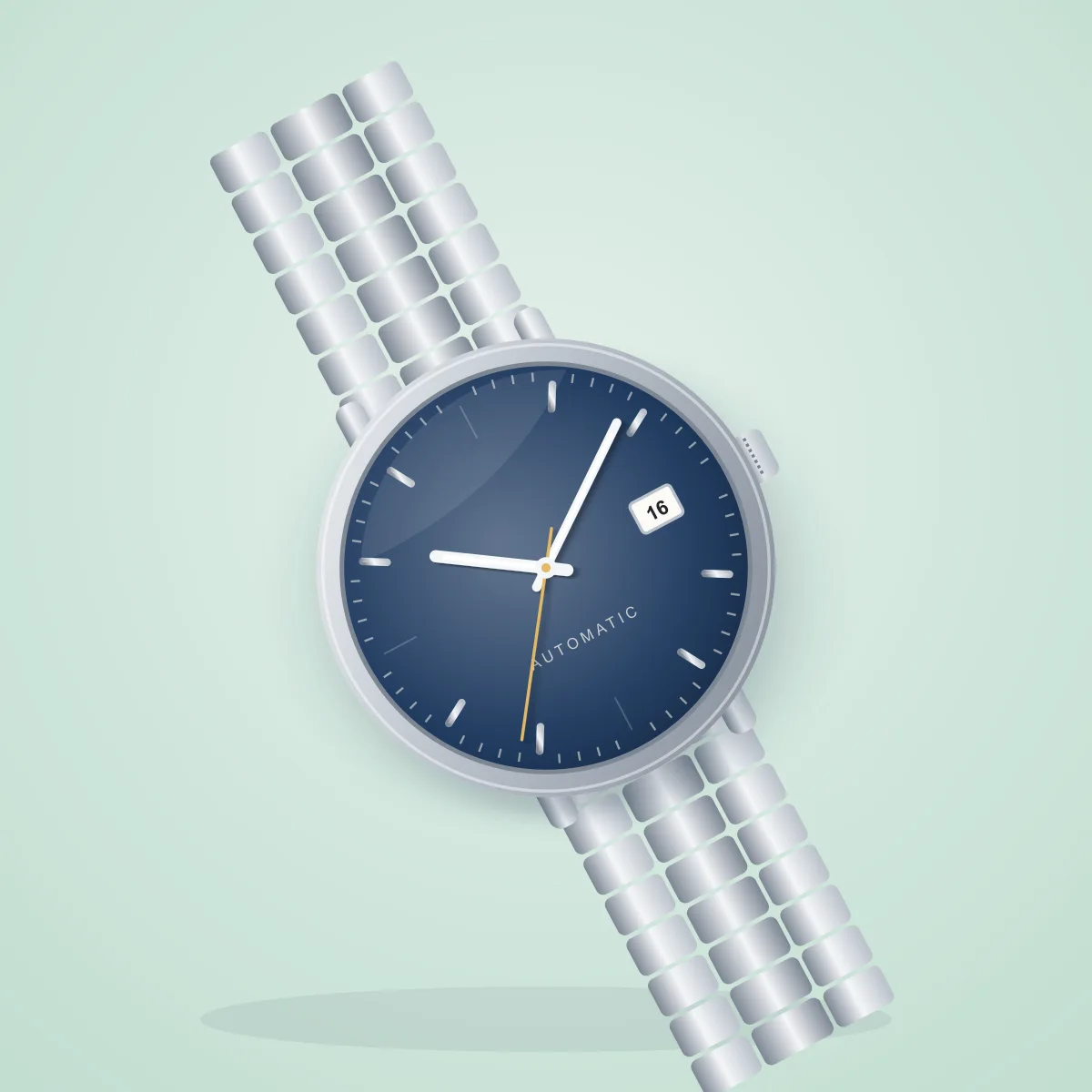
The movement is the engine of a watch. It decides how the watch keeps time, how often it needs attention and even how the seconds hand moves. The two you will meet most often are quartz and automatic.
How a quartz watch works
A quartz watch runs on a battery. The battery sends current through a tiny quartz crystal that vibrates at a very stable frequency — 32,768 times per second in most watches. A circuit counts those vibrations and drives the hands forward, usually in one-second steps.
Why people choose quartz:
- Accuracy. A typical quartz watch is accurate to within a few seconds per week, far better than most mechanical watches.
- Low maintenance. Apart from a battery change every few years, there is little to do.
- Value and variety. Quartz movements are inexpensive, so the budget goes into design, materials and features like chronographs.
- Grab-and-go. It keeps running even if you leave it in a drawer for weeks.
Solar quartz watches work the same way but recharge from light, so battery changes are rare.
How an automatic watch works
An automatic (self-winding) watch is mechanical. It is powered by a coiled mainspring, and a weighted rotor inside the case spins as your wrist moves, winding that spring. A balance wheel releases the energy in precise, even beats.
Why people choose automatic:
- Craftsmanship. Hundreds of tiny parts work together without a battery — many owners love seeing them through an exhibition case back.
- The sweeping seconds hand. The hand glides rather than ticks.
- Longevity. A well-maintained mechanical watch can last for generations.
What to keep in mind:
- Accuracy varies. Mechanical watches can gain or lose several seconds a day; certified chronometers are held to tighter limits.
- Power reserve. If you don't wear it for a day or two (depending on the model's power reserve), it will stop and need resetting.
- Servicing. Mechanical movements benefit from periodic servicing — follow the manufacturer's recommended interval.
Quick comparison
| Quartz | Automatic | |
|---|---|---|
| Power source | Battery or solar | Wrist motion |
| Typical accuracy | Seconds per month | Seconds per day |
| Seconds hand | Ticks | Sweeps |
| Maintenance | Battery changes | Periodic servicing |
| Best for | Precision, convenience | Craftsmanship, character |
Which should you choose?
Choose quartz if you want a dependable, accurate watch you never have to think about. Choose automatic if you value traditional watchmaking and enjoy wearing your watch regularly.
Ready to compare? Browse our automatic watches or explore everyday analog watches.
Watches mentioned in this guide
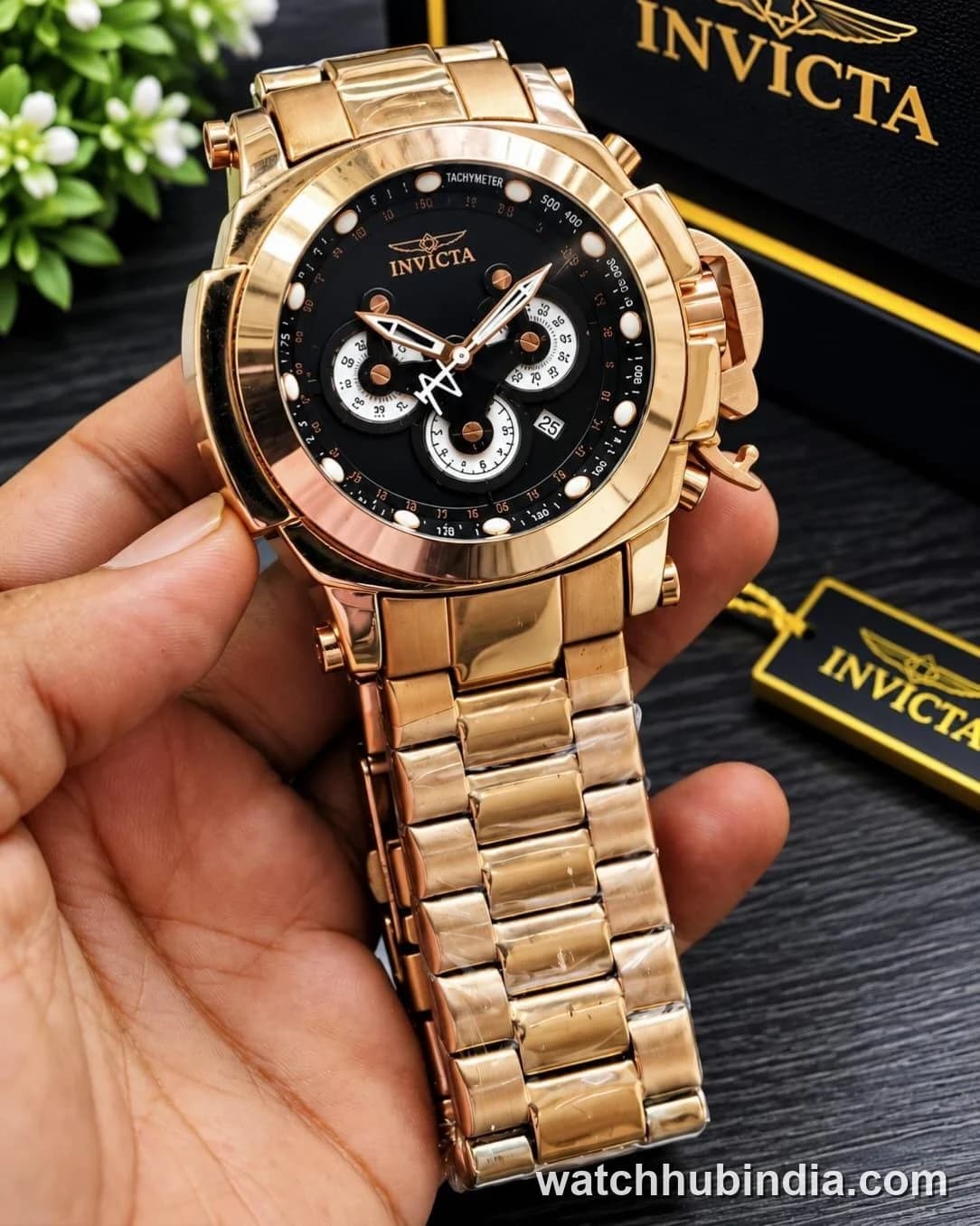
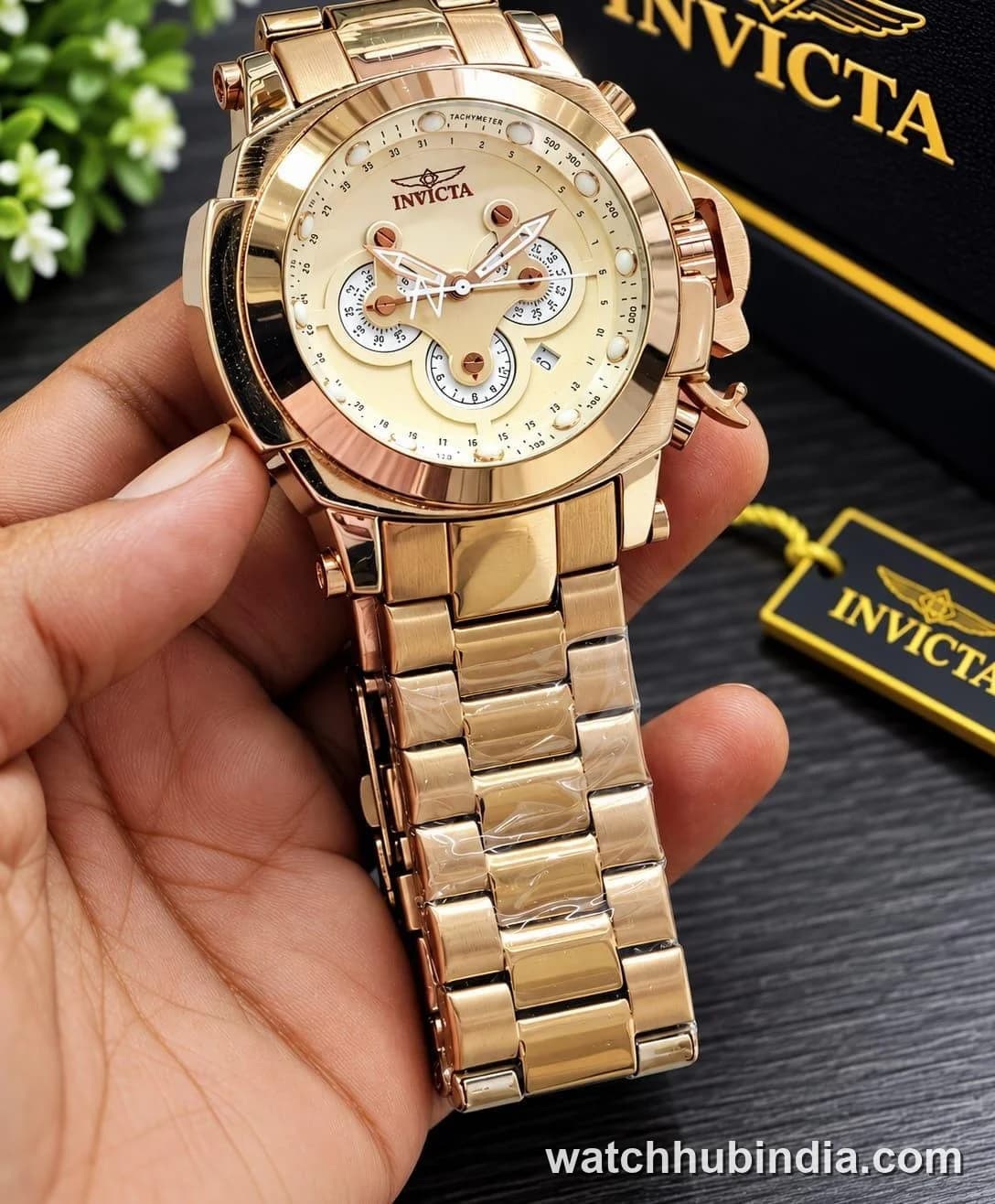
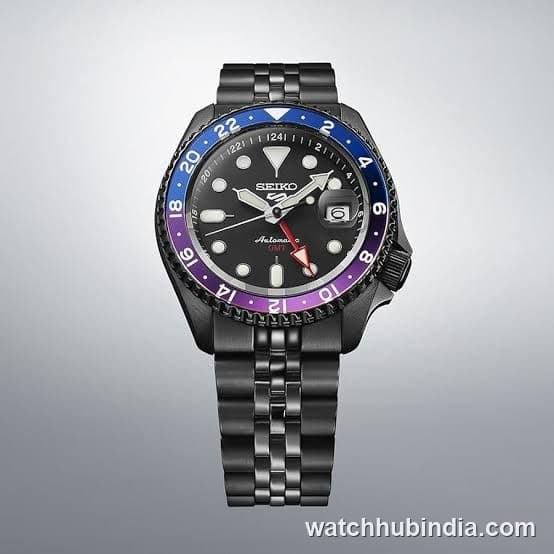
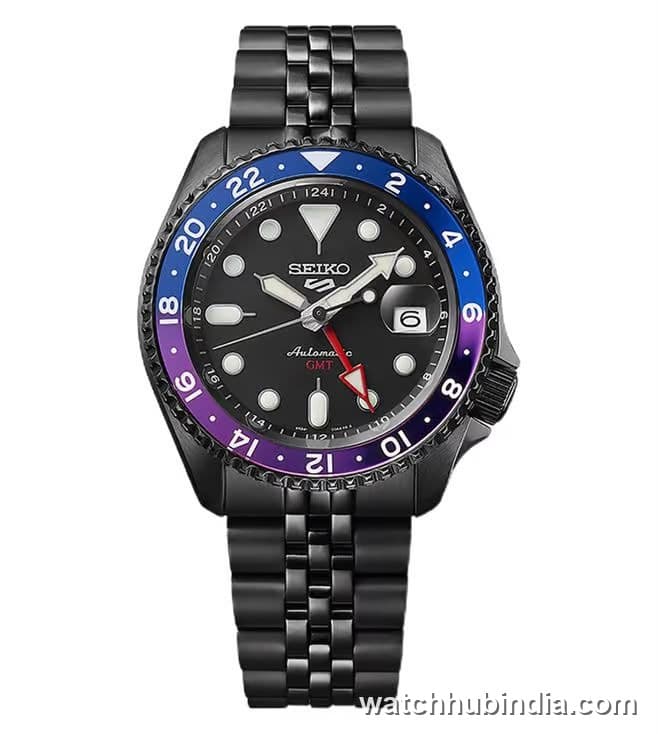 35% off
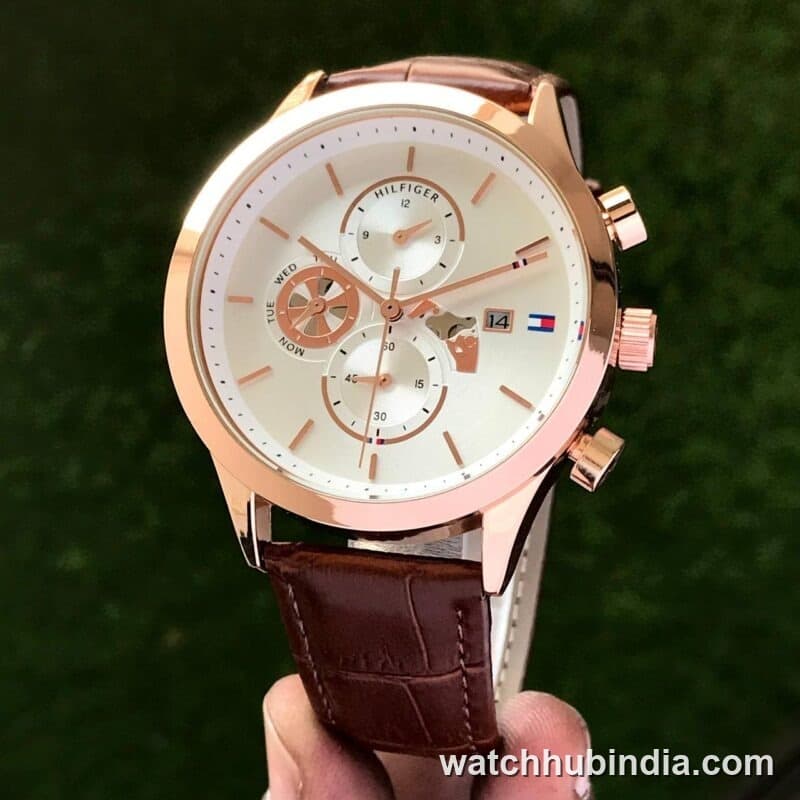
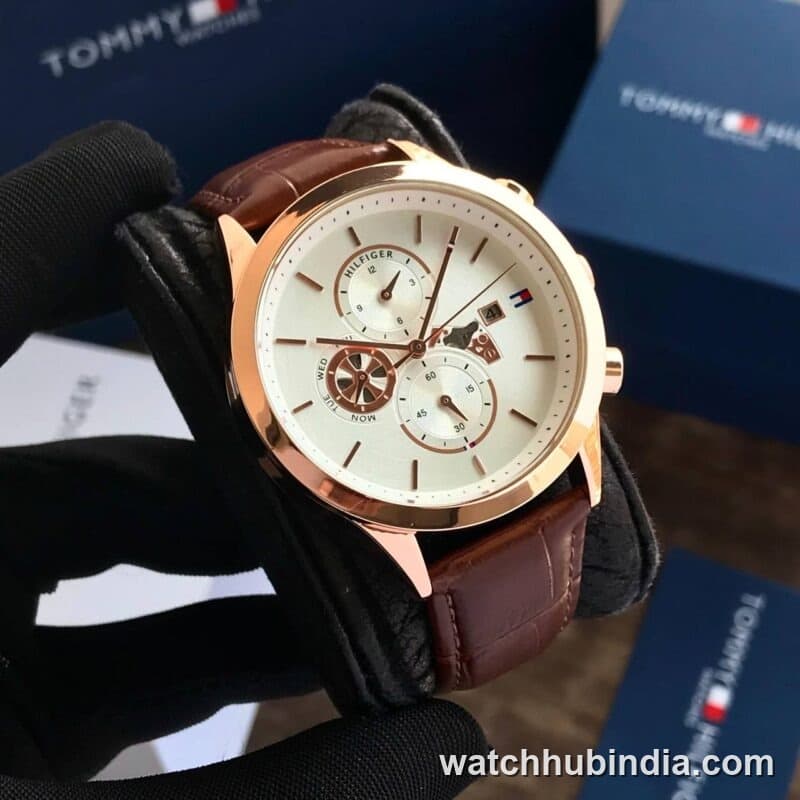 40% off
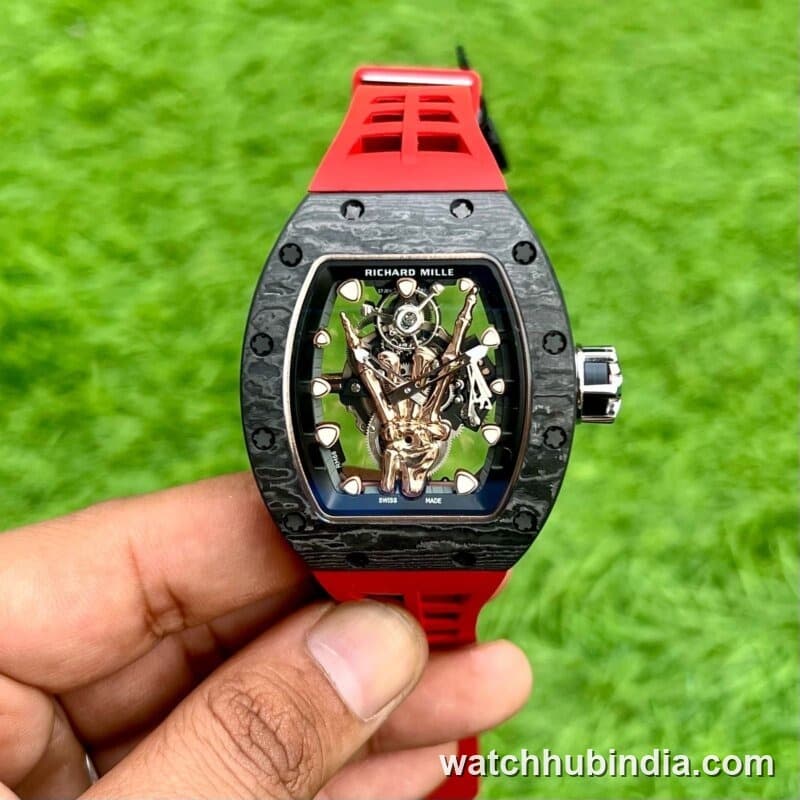
 20% off
More from the journal
How to Choose the Best Watch for Men Under ₹2,000
What to expect from a men's watch under ₹2,000, the specifications that matter, and when it is worth stepping up to ₹3,000 or ₹5,000.
How to Care for Your Watch: Straps, Cleaning and Storage
Simple habits that keep leather, steel and silicone straps looking good, plus how to clean, store and maintain your watch.
First Copy Watches: What They Are, the Risks, and a Better Alternative
What "first copy" means, why first copy watches are risky to buy and illegal to sell in India, and how luxury-look watches in original designs give you the style without the problems.